
Every now and then I’m lucky enough to get an unusual piece of imaging history. This one certainly falls into the ‘unusual’ category. It’s a 41mm f2.5 Ufar lens that was developed for a Soviet Mars mission in the 1990s.
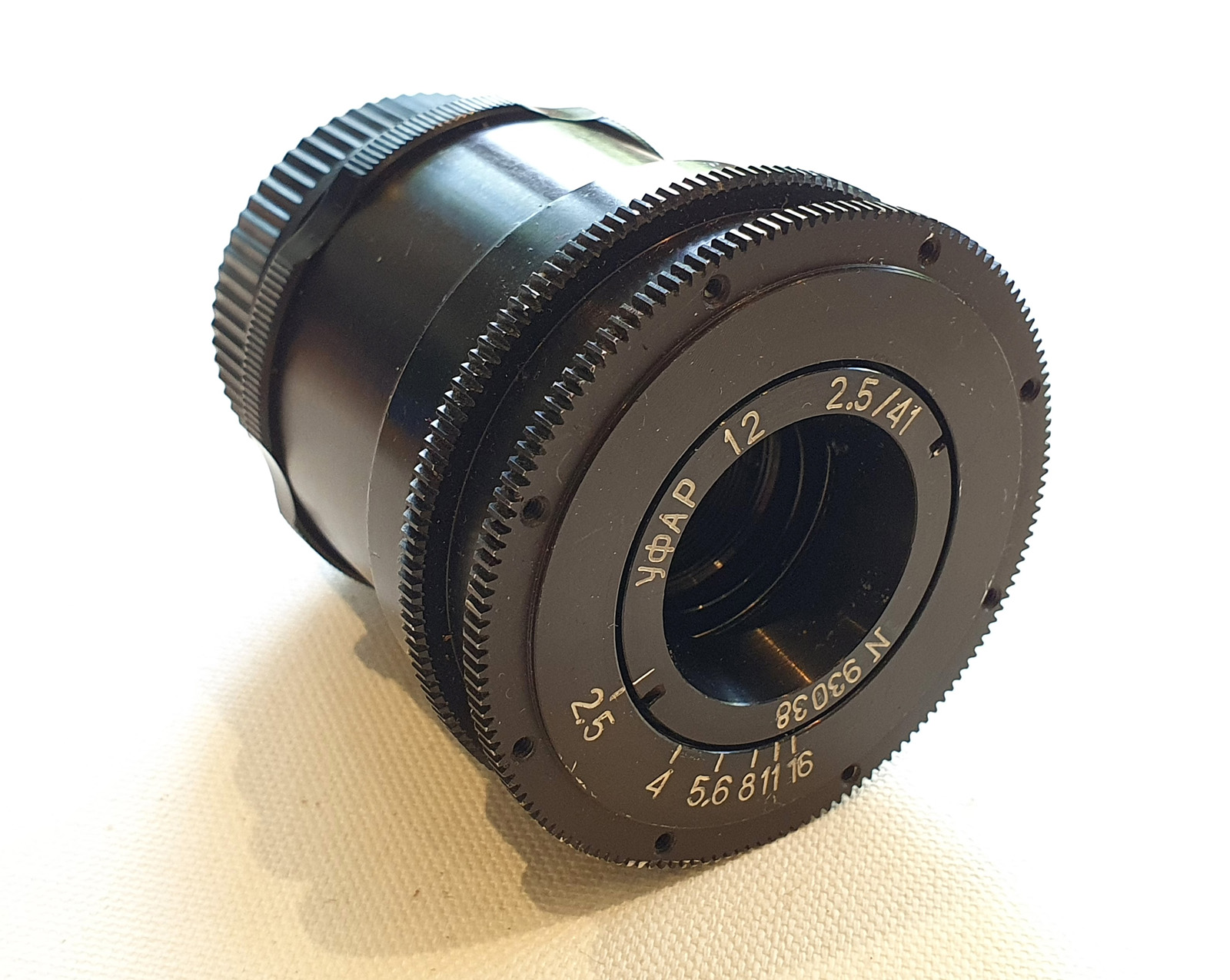
With this one there are now 7 known to exist. And no it hasn’t been to Mars and back, but it was developed with a journey to Mars in mind.
It’s quite small and compact and with an iris that goes from f2.5 down to f16. The mounting is M42 thread, but not the usual flange to focal plane distance for M42 (FFD is 30.36mm vs 45.46mm for normal M42), so using it on a mirrorless camera (or rangefinder) is the best bet, unless you want extreme macro.
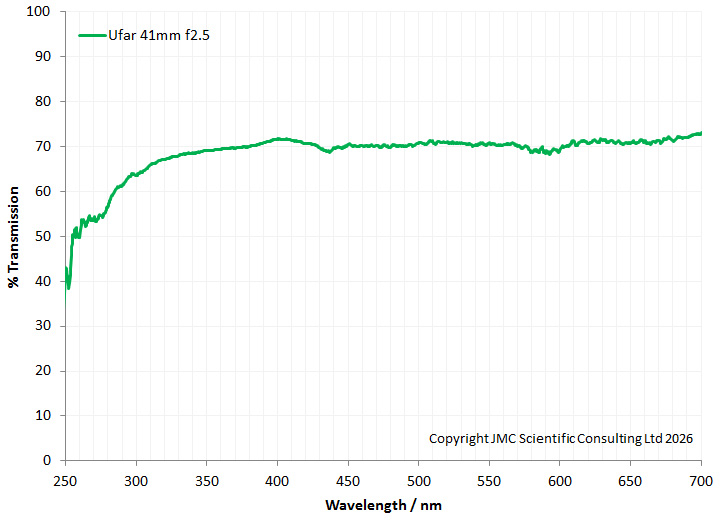
It does not have glass lens elements (it’s quartz and calcium fluoride) as it was designed for UV work as well as longer wavelengths. This can be seen when you look at the transmission spectra which shows good transmission down to 300nm and below where normal glass would just block the light.
A quick snap from the garden (in visible light) with it on a normal Canon Eos R7 camera.
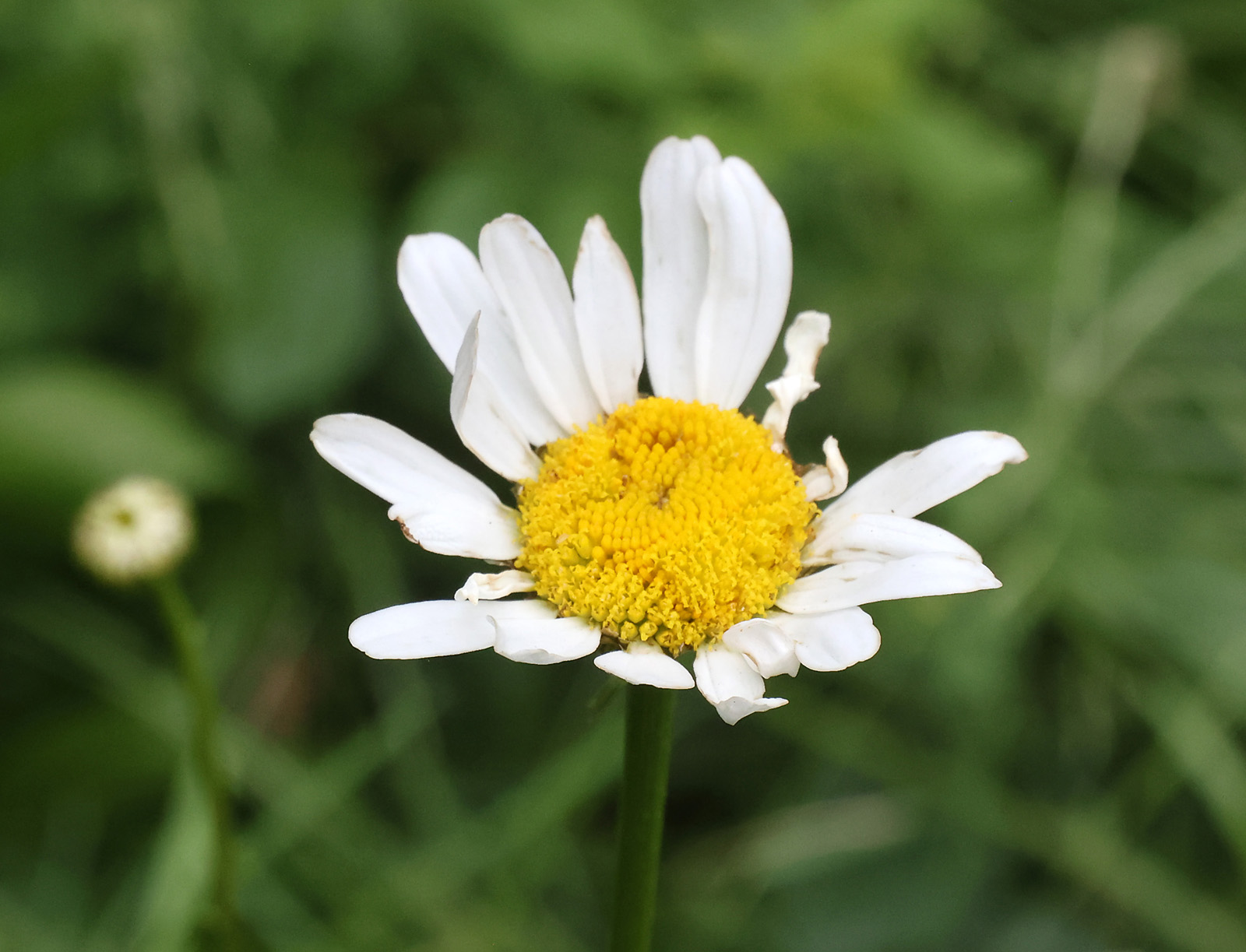
The lens does not cover 36x24mm format however I plan to do more work looking at the lens performance (including coverage) in the future. Next step will be to make a filter mount to put a UV transmission filter on the front.
As always thanks for reading, and if you’d like to know more about my work I can be reached here.